Additional information
| Product Type | Flower Mix, Native Flower |
|---|---|
| Seeding Rate (lb./acre) | 9-13 Pounds per Acre |
| Seeds Per Pound | 250,001 – 500,000 Seeds per Pound |
| Origin | NW Native species |
Wildflower, Grass and Native Seeds
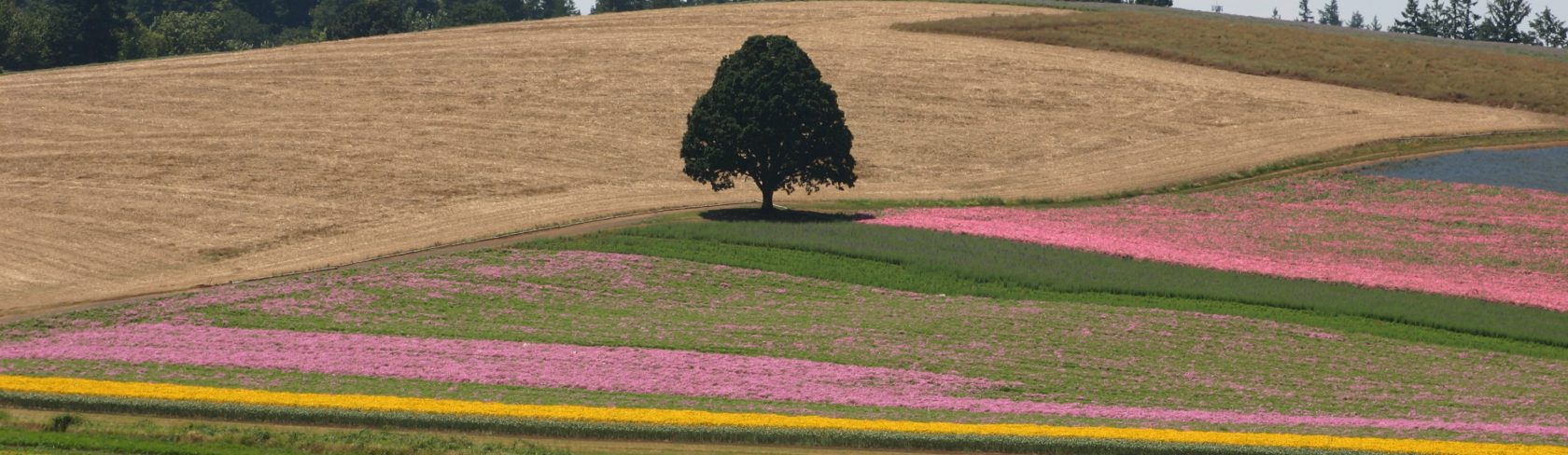

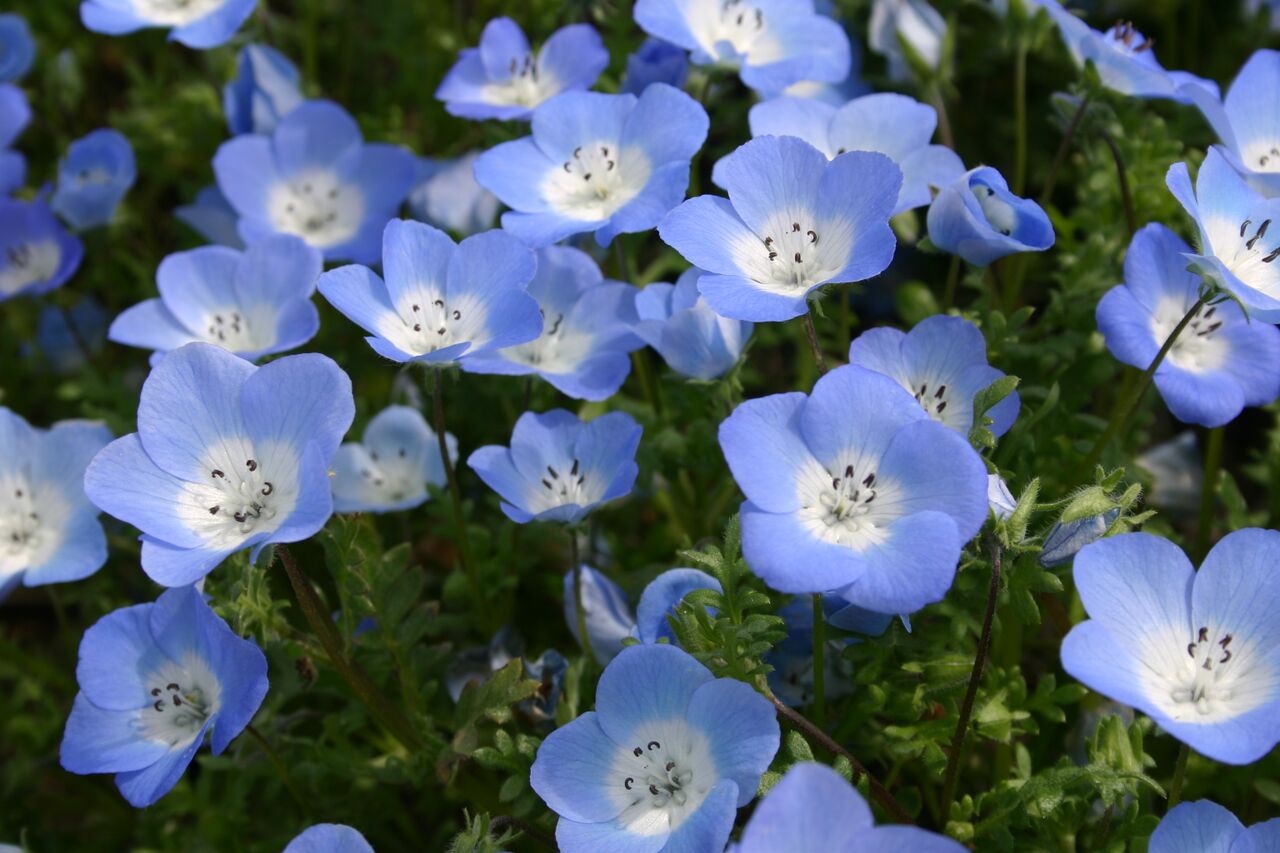
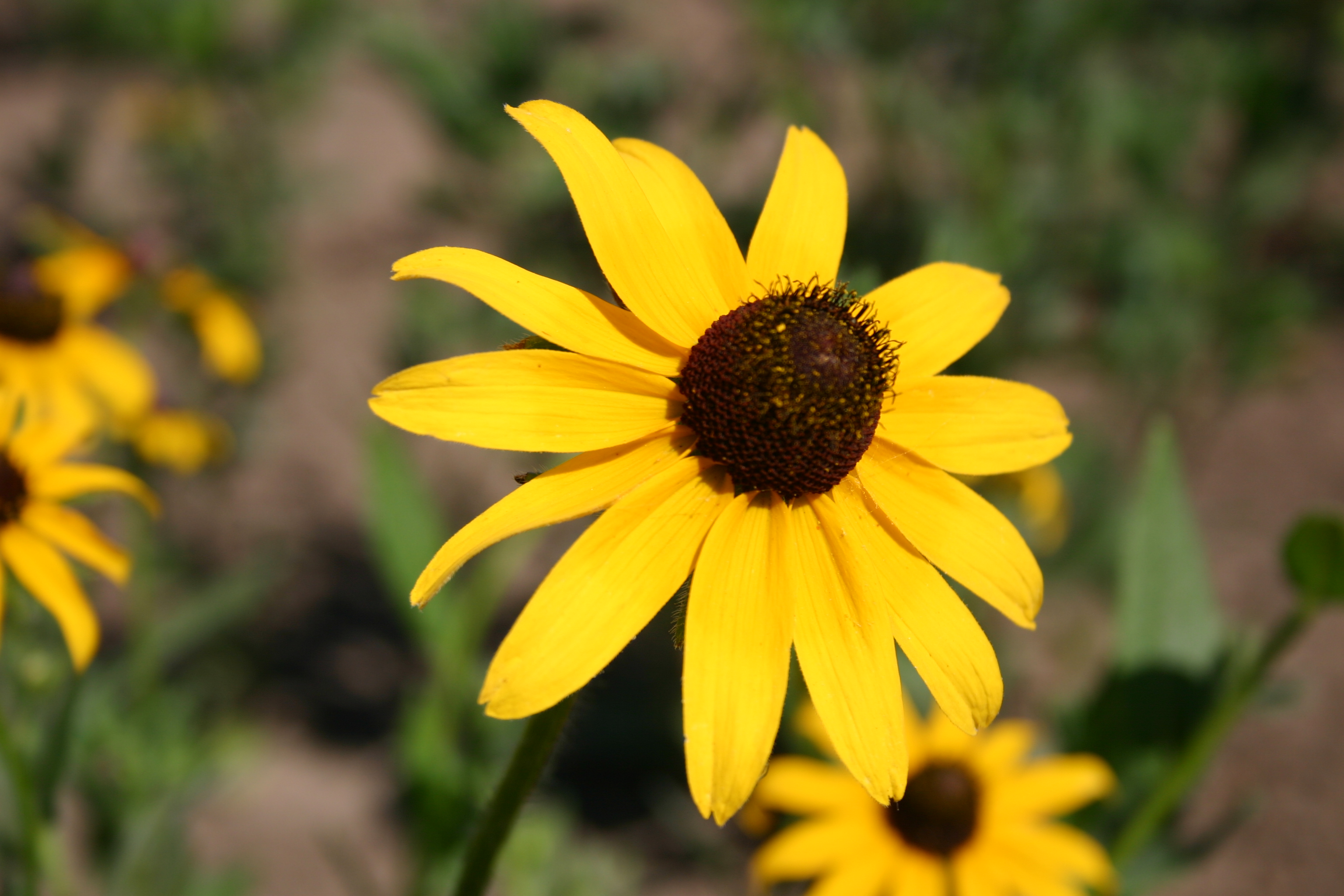

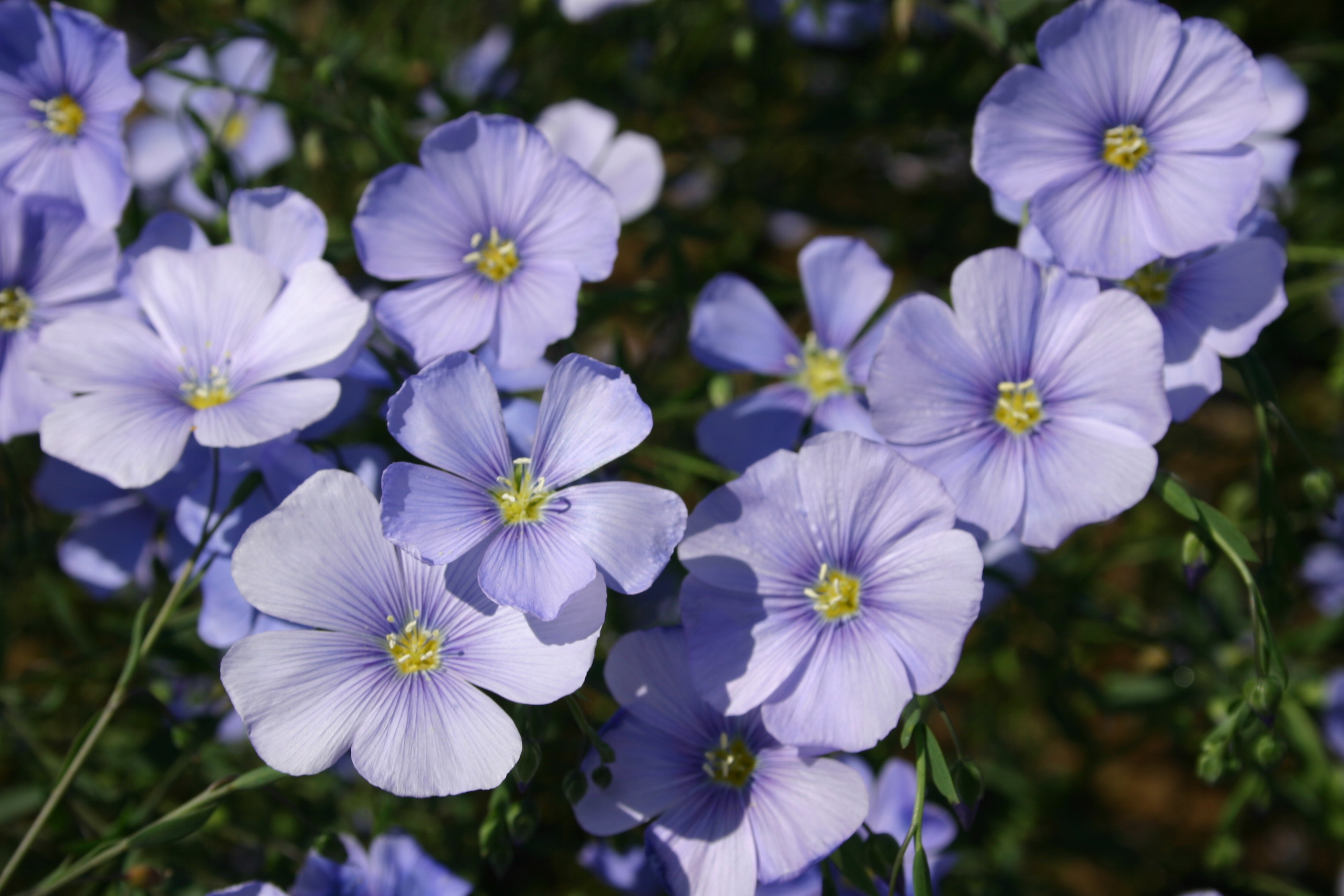
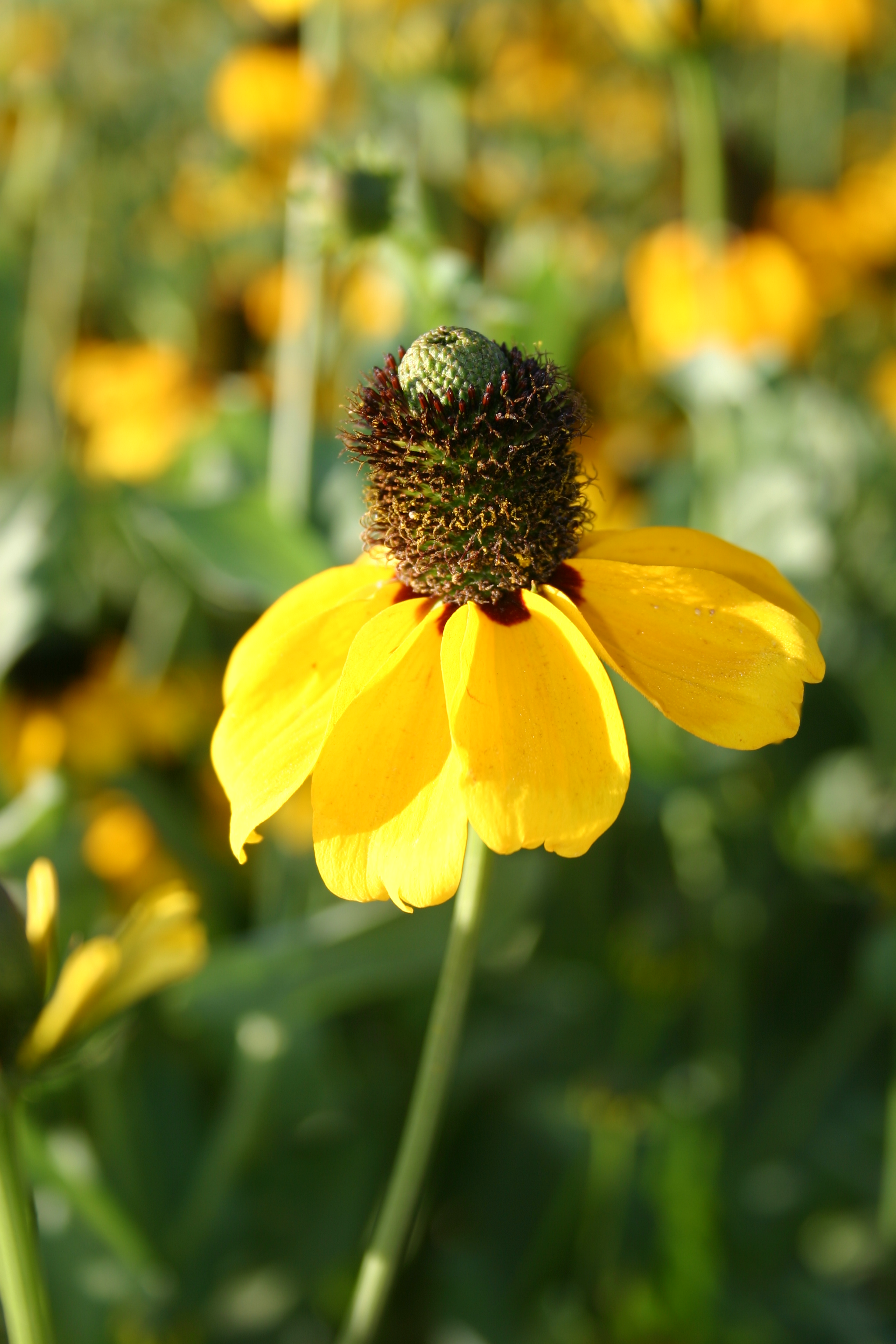

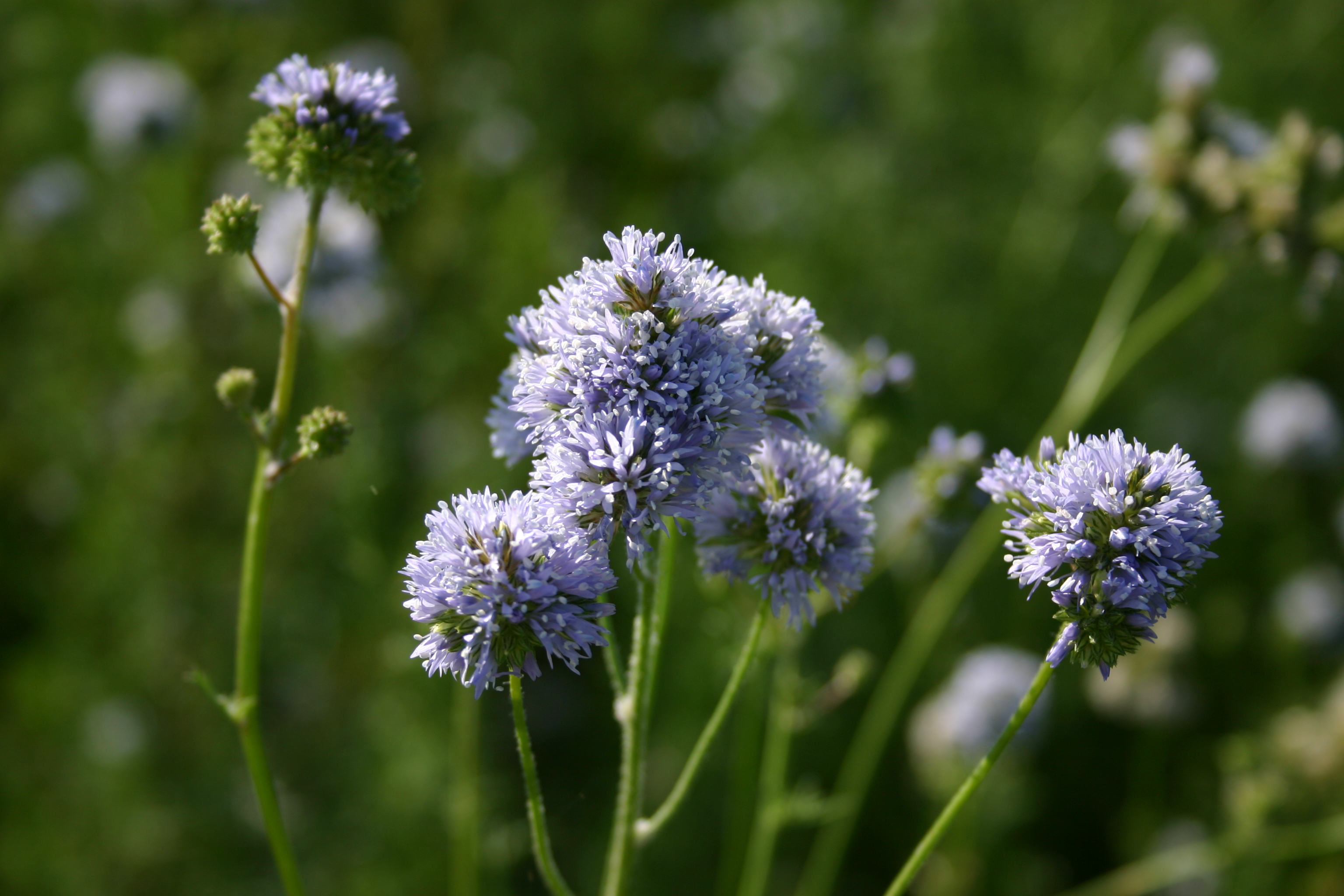
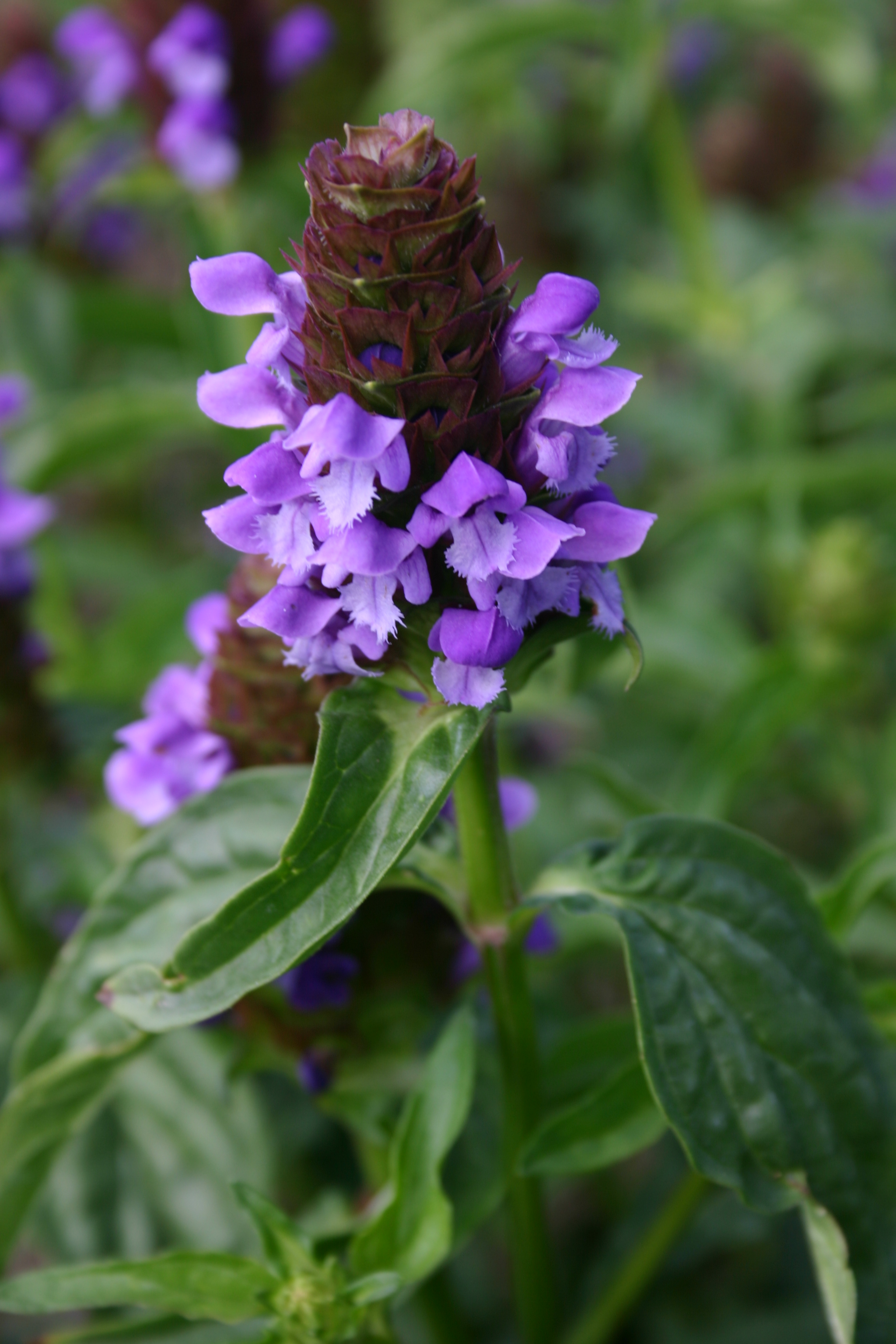
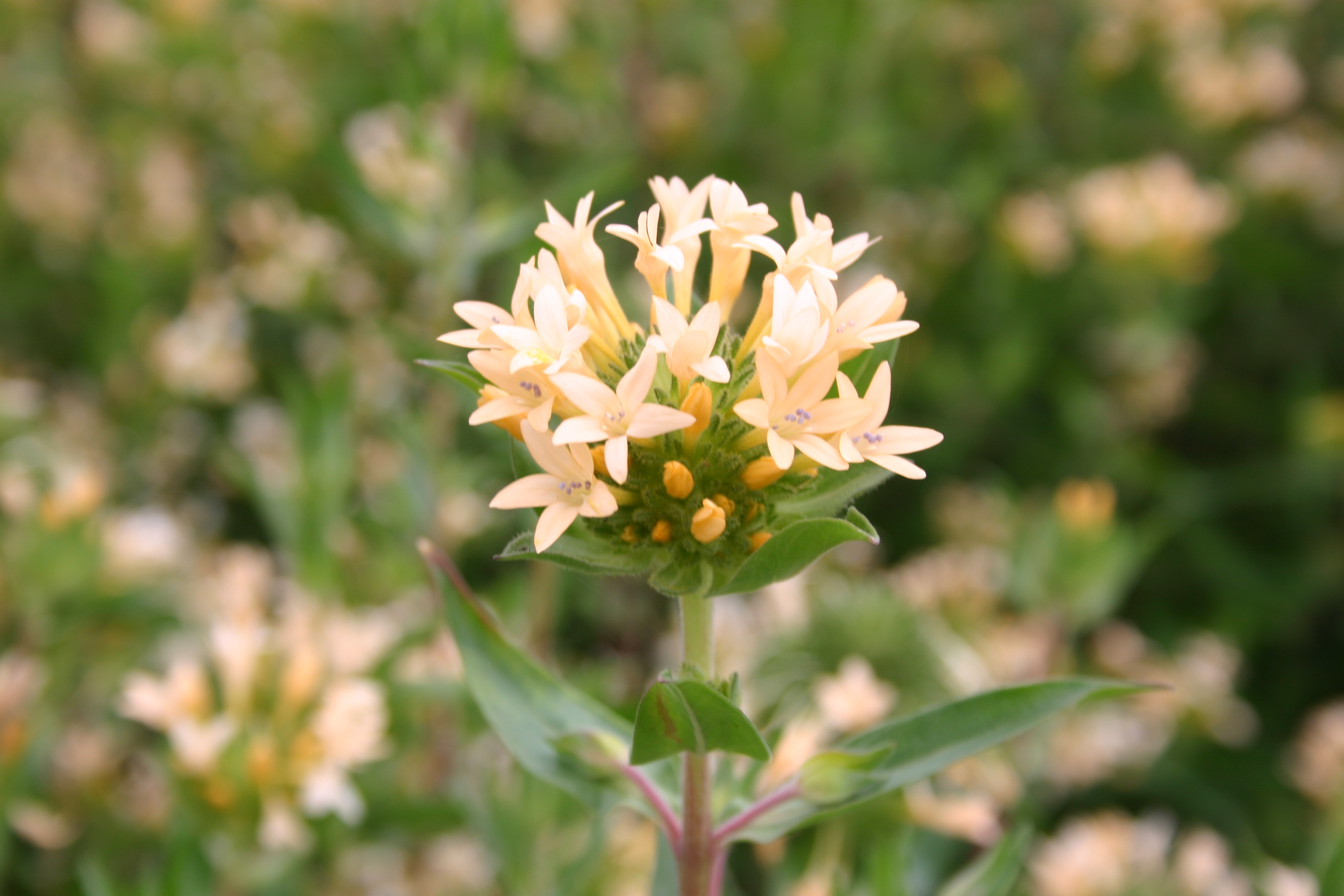
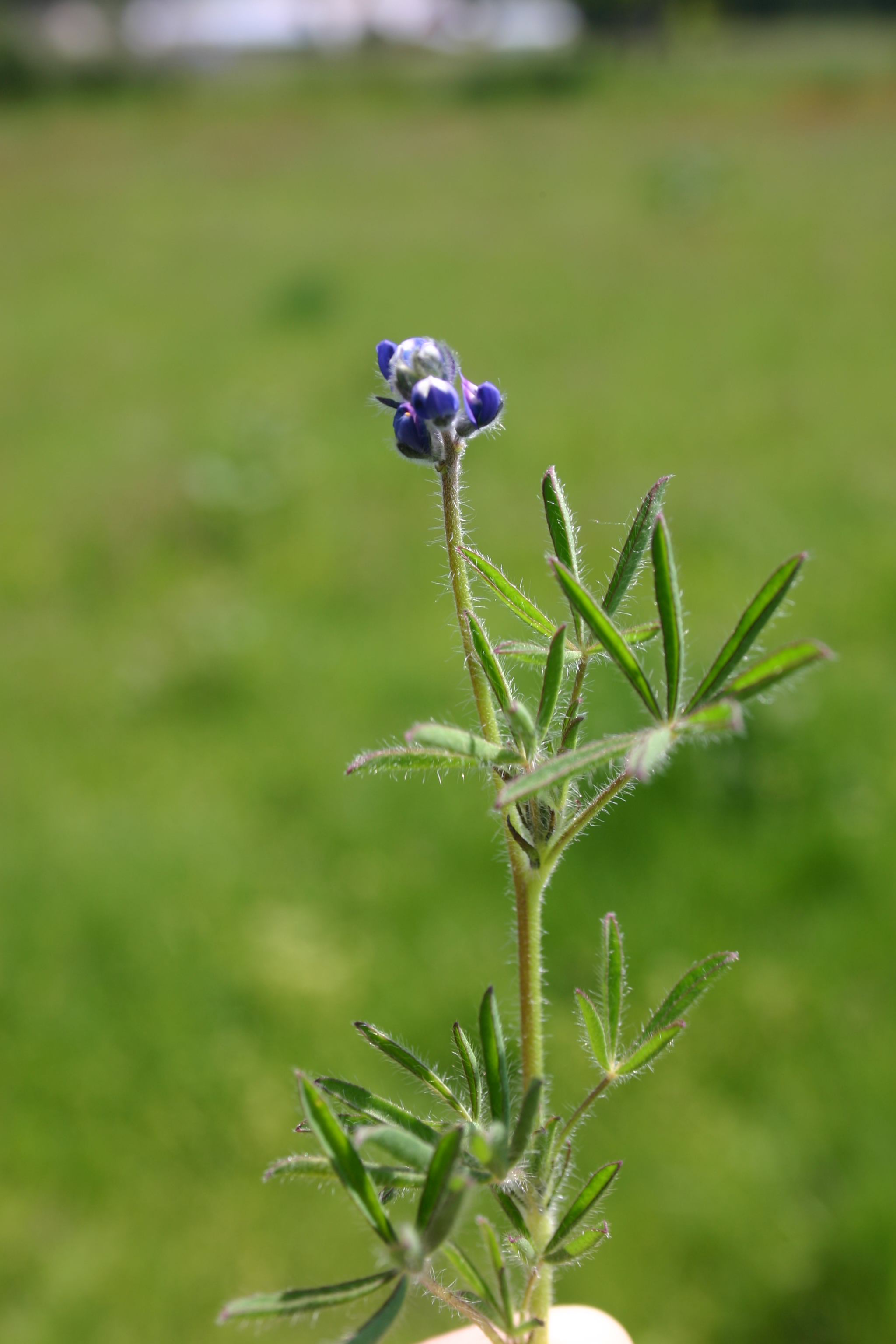
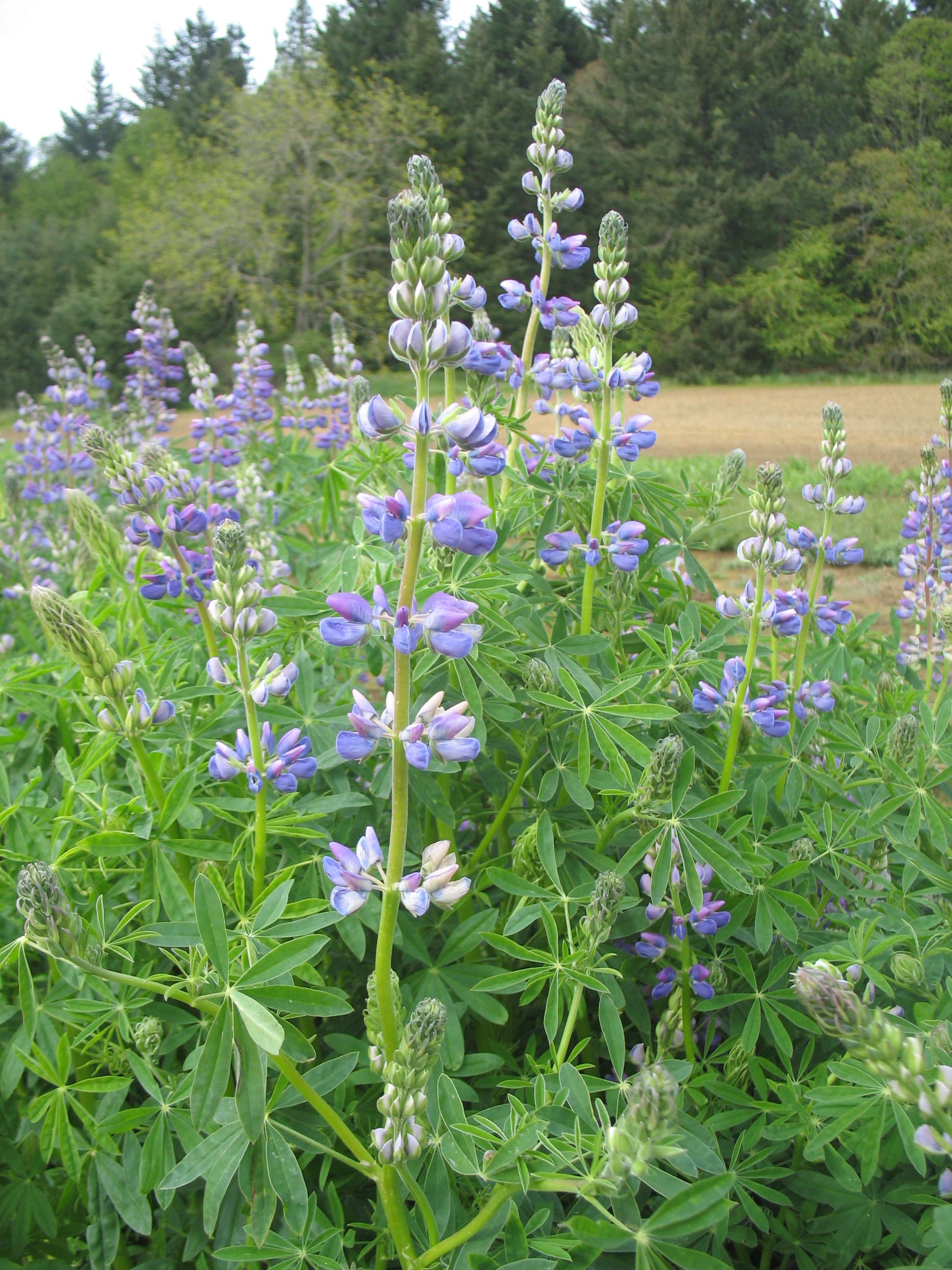
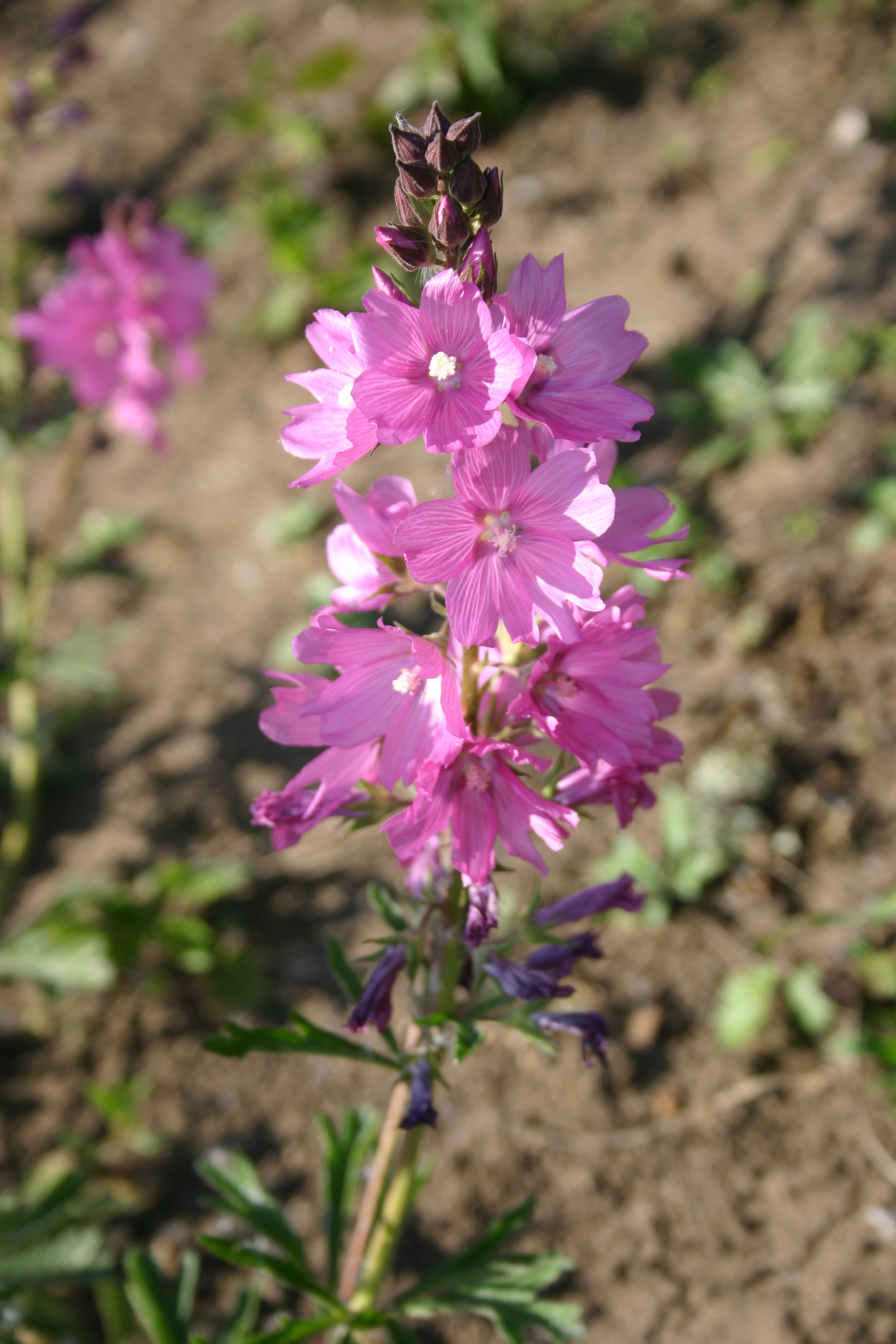
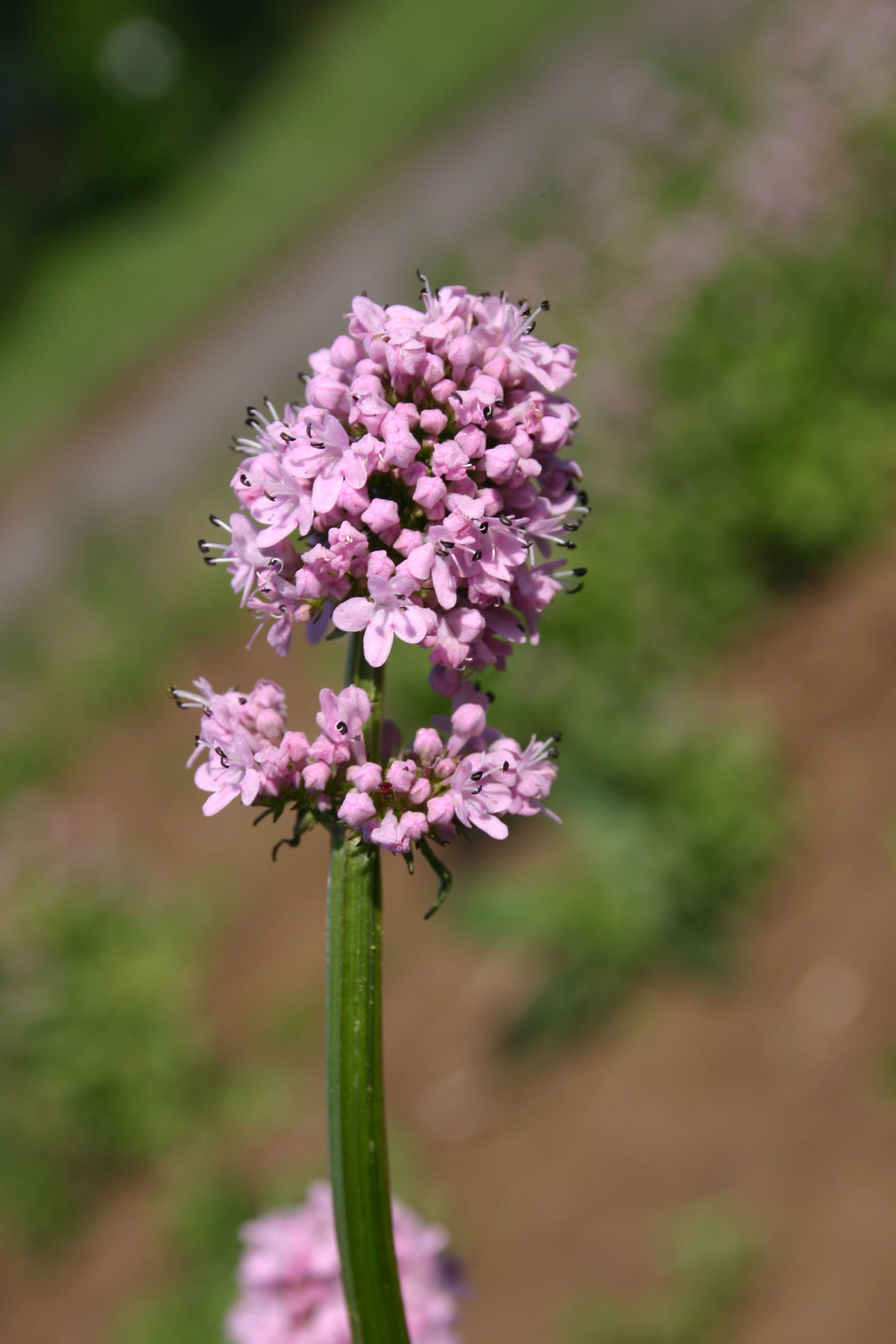

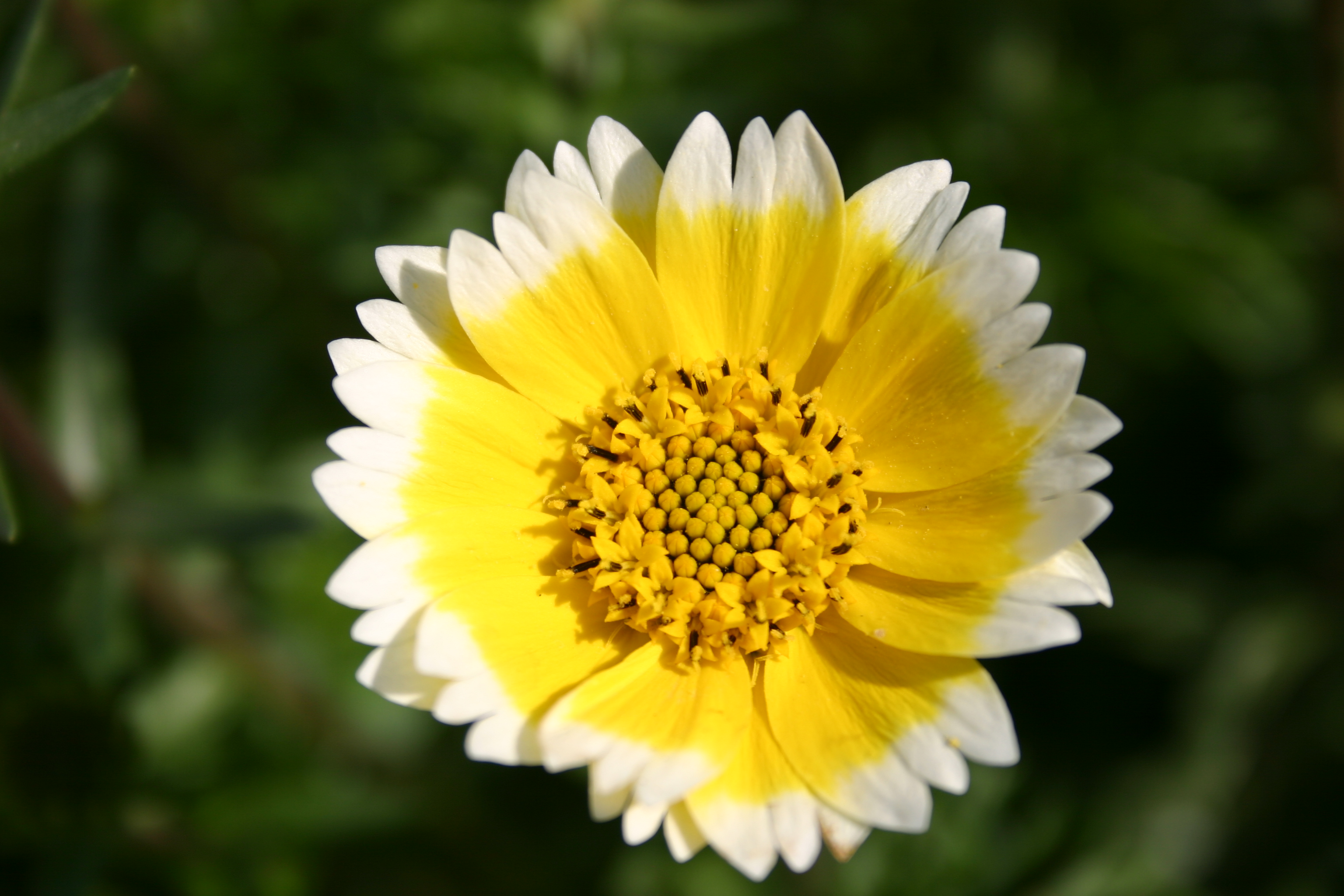
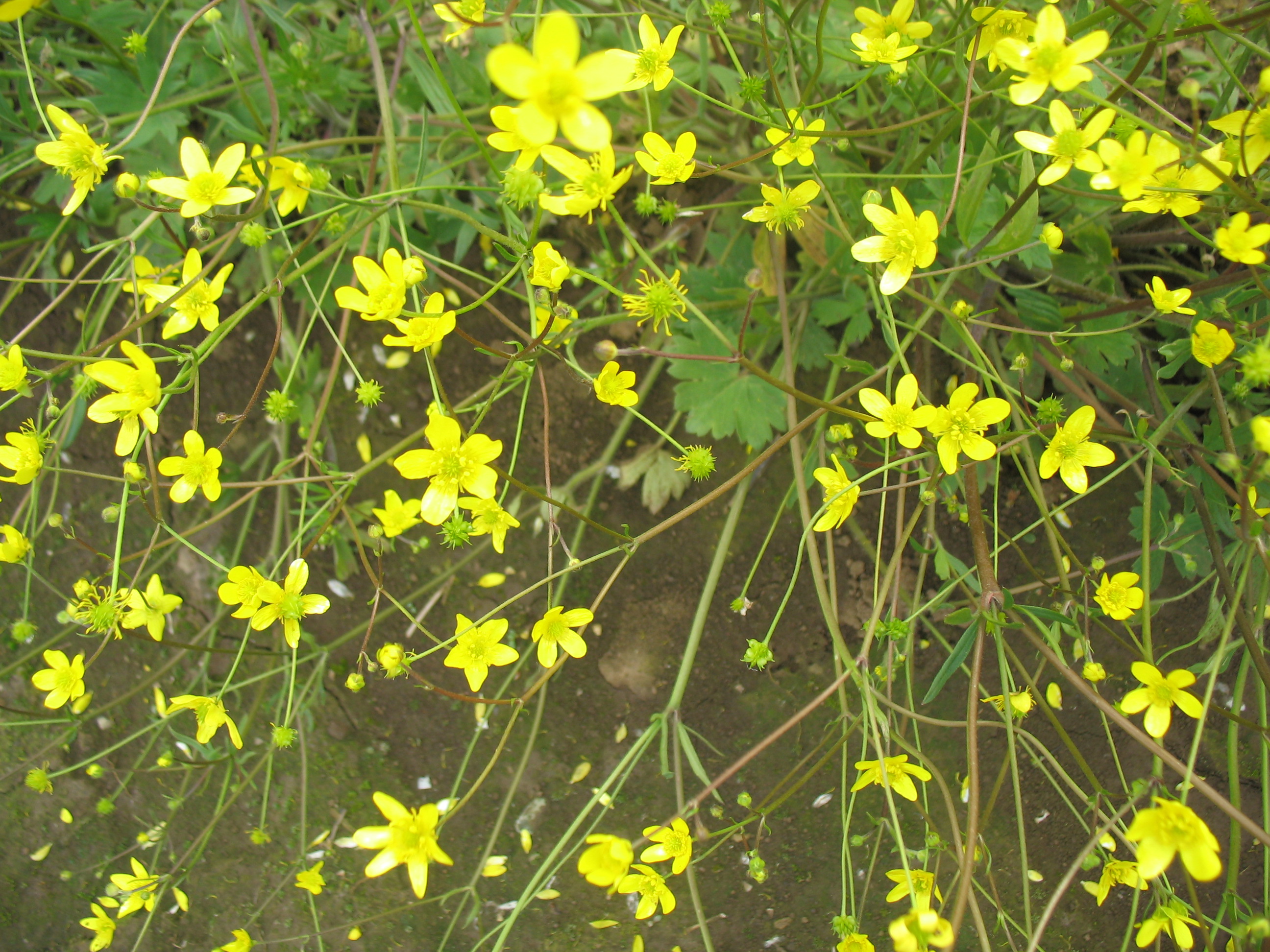

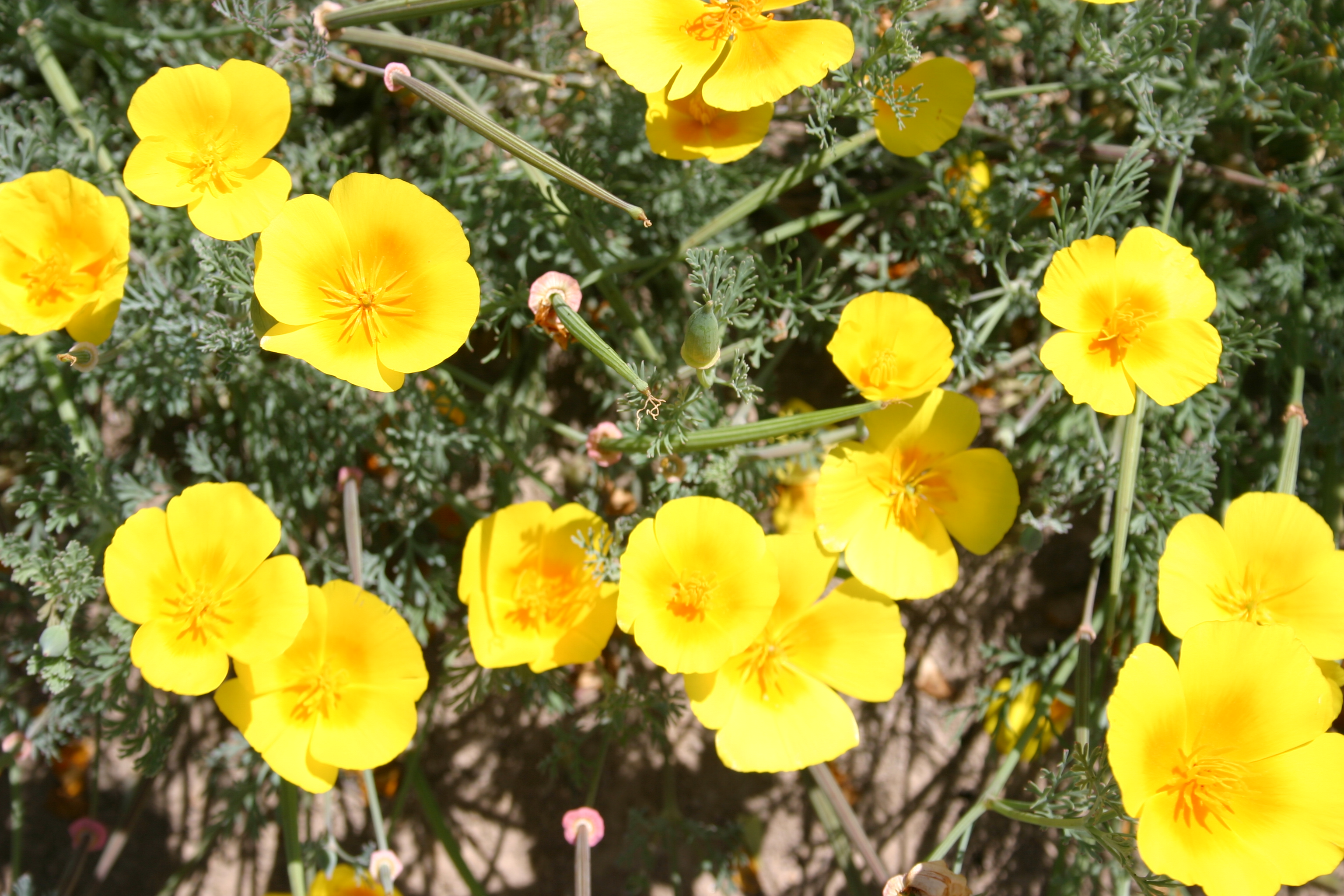
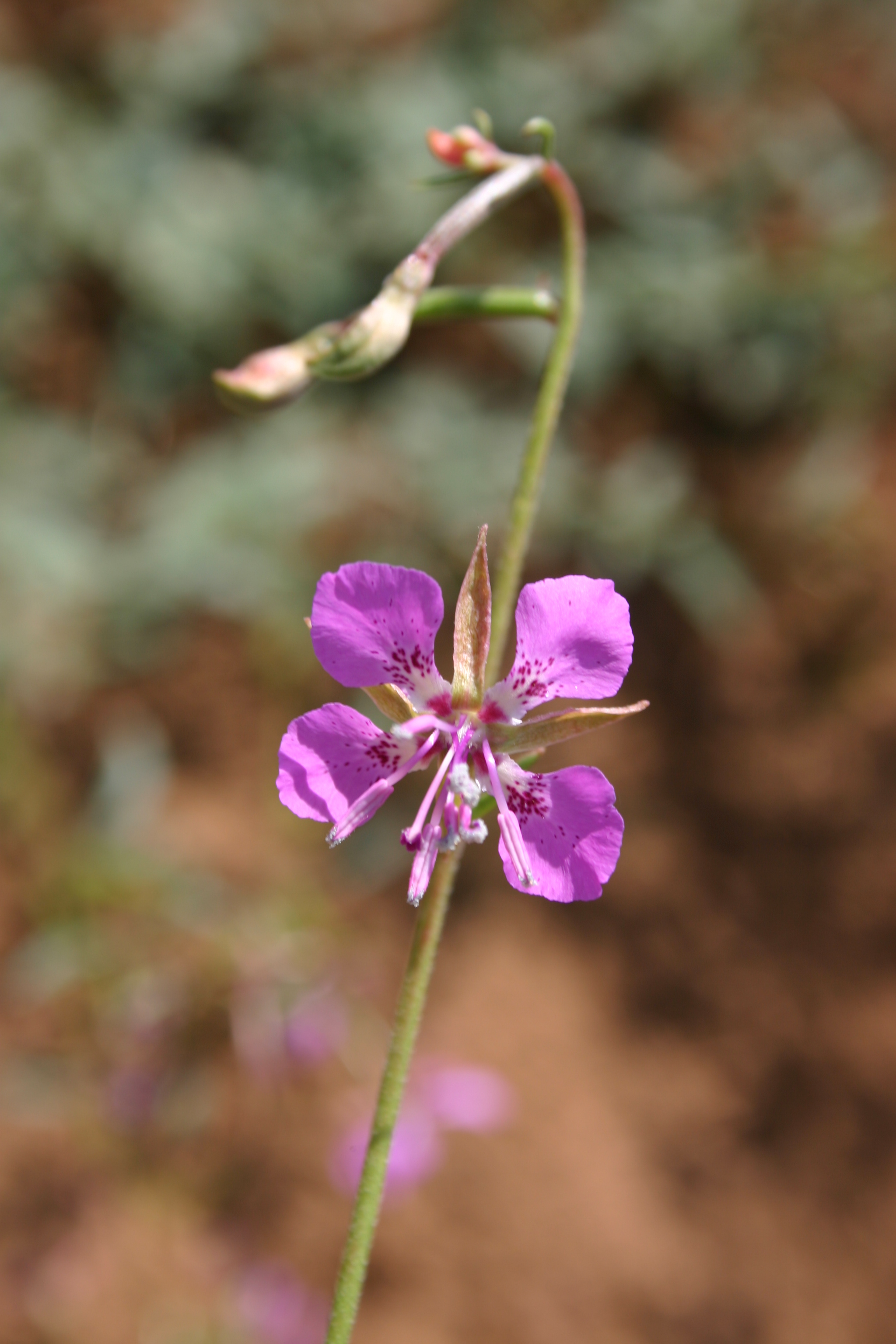
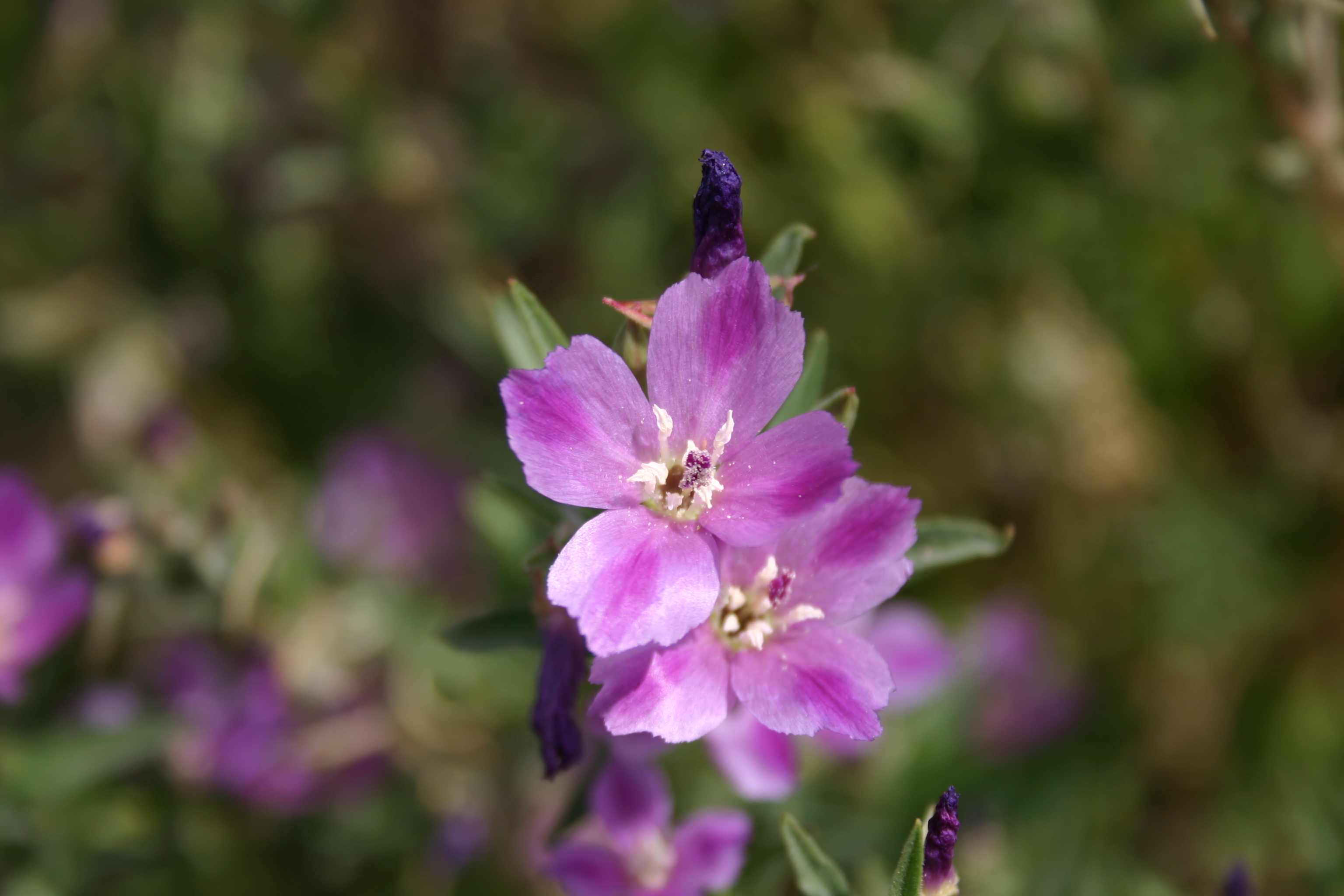

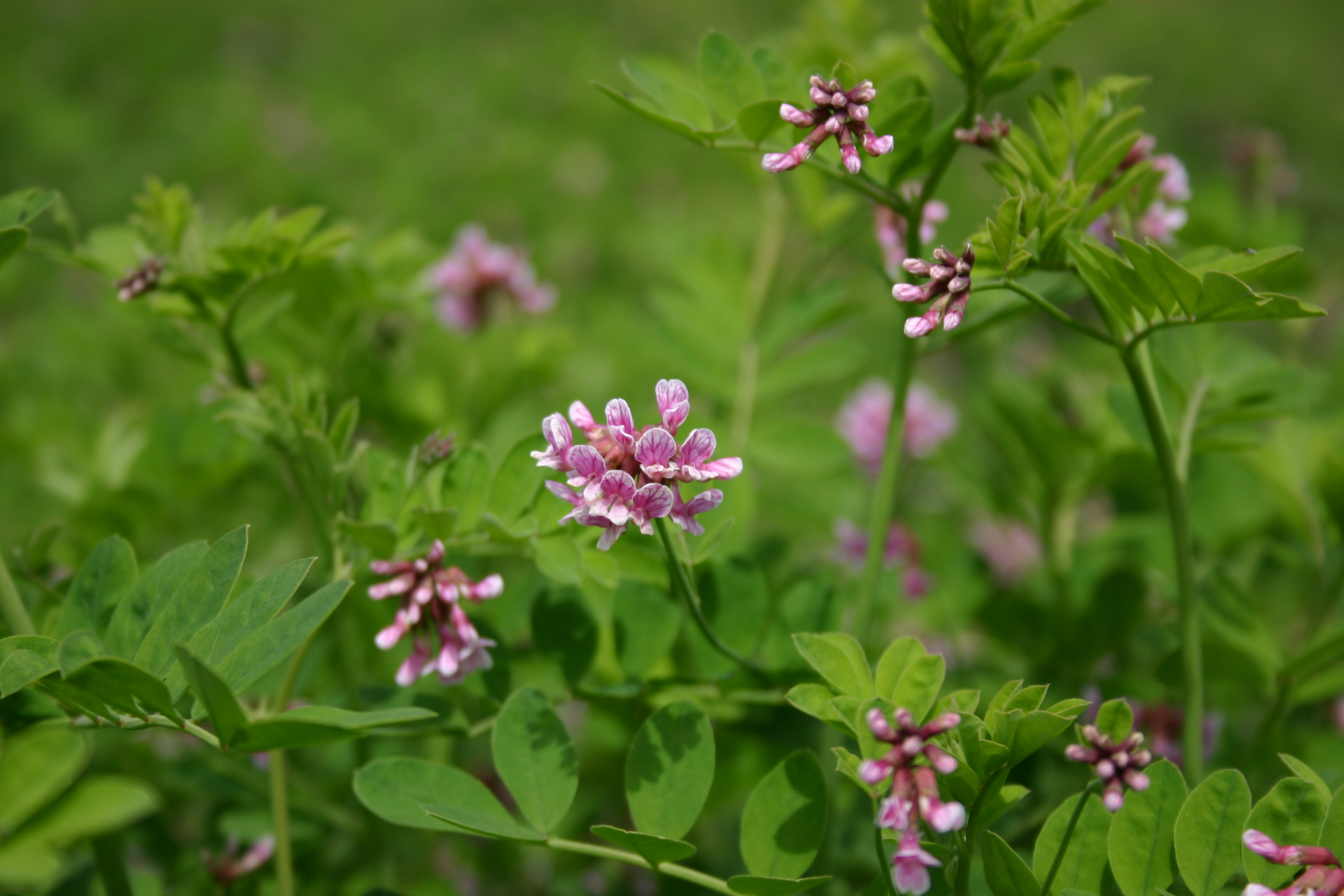
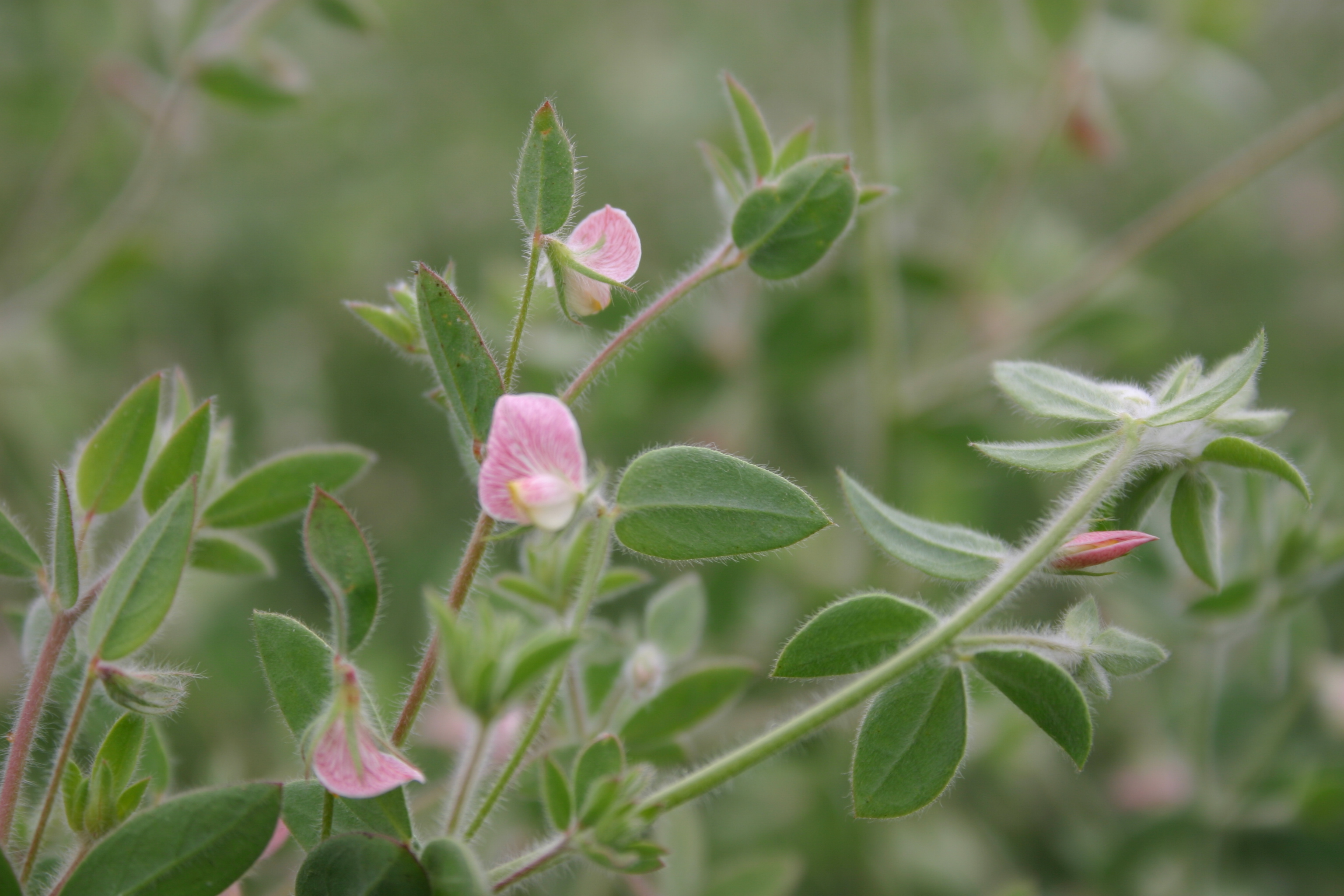
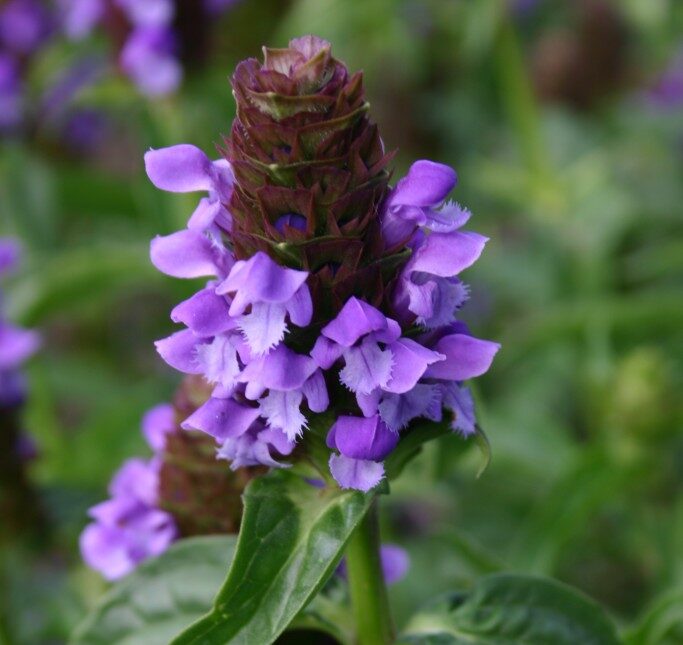
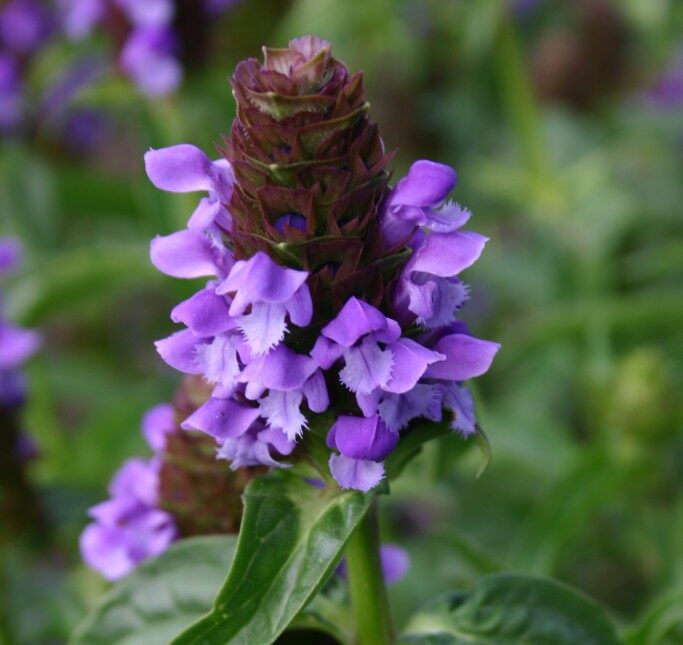
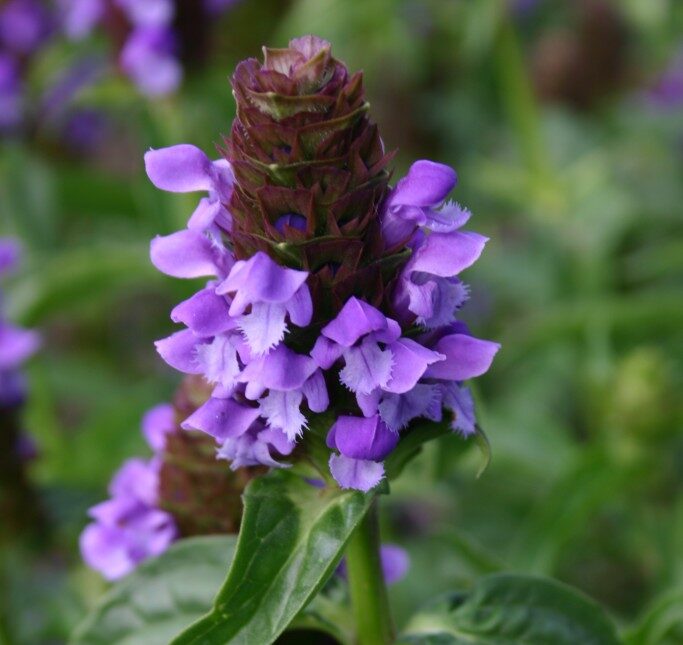
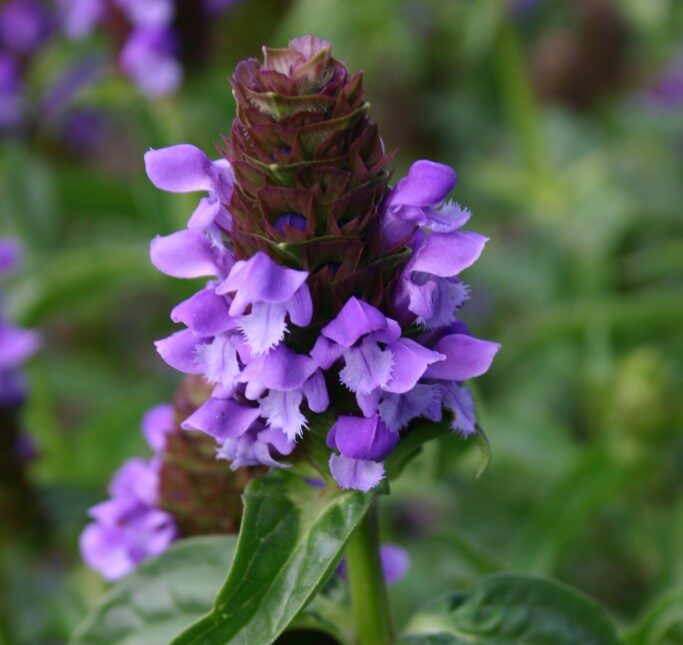
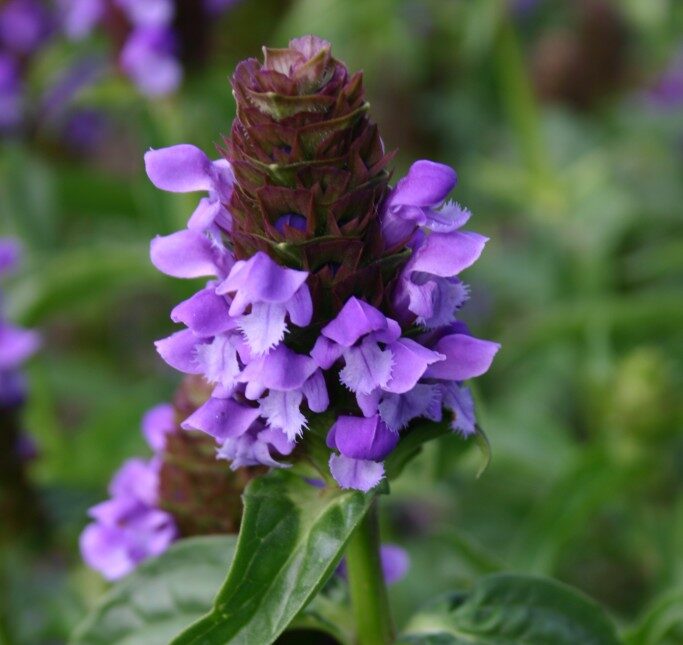
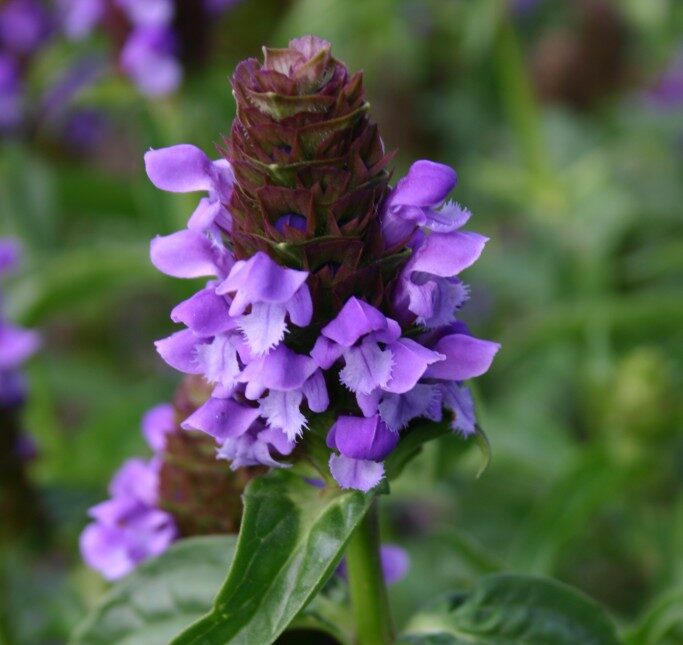
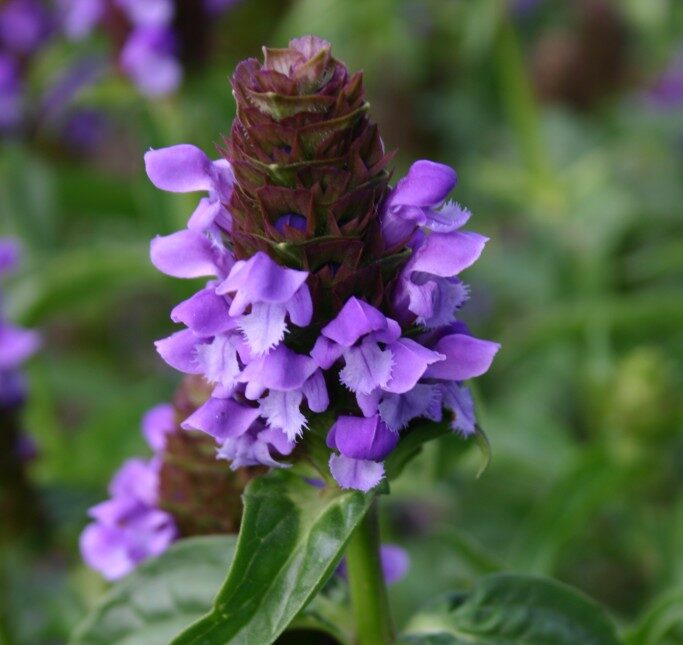
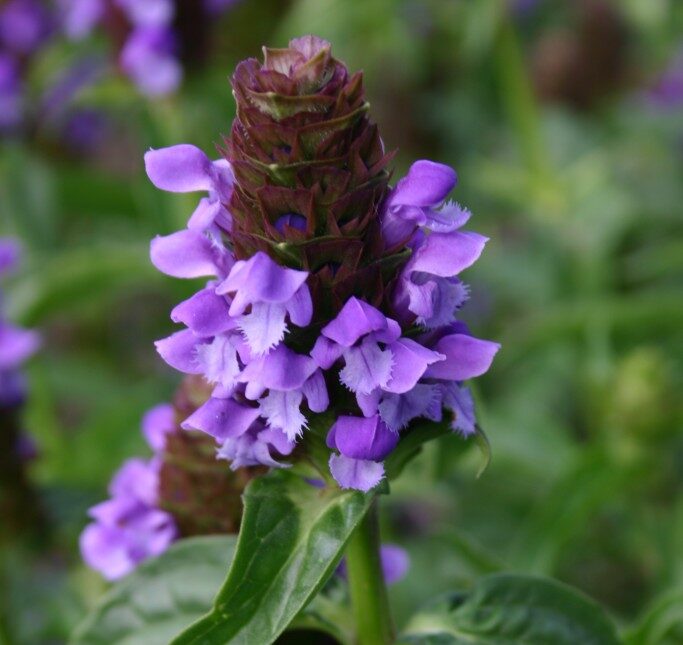
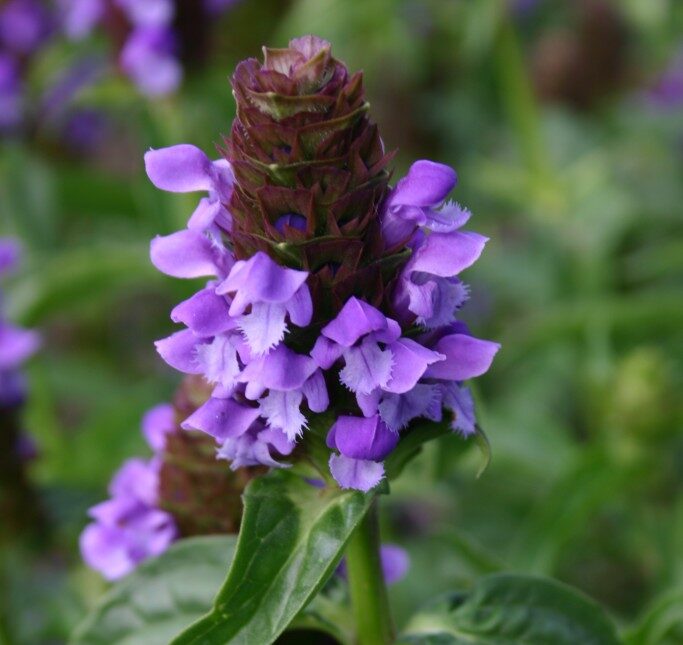
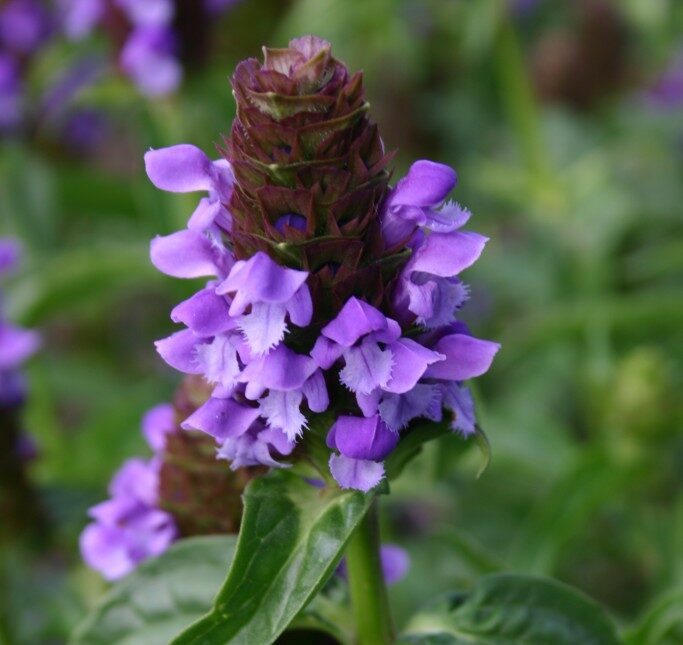
Native Annuals & Perennials for the Pacific Northwest
Bring the beauty of the wild into your landscape with the West Cascade Wildflower Mix—a thoughtfully curated blend of native annual and perennial wildflowers selected specifically for the unique climate and soils of the Pacific Northwest. This mix is ideal for naturalizing meadows, enhancing pollinator habitat, or simply adding a touch of wild charm and color to your garden or property.
Featuring a rich variety of species that bloom across seasons, this mix is designed to provide colorful blooms year after year—with annuals offering a vibrant first-year display, and perennials returning each season after establishing strong roots.
This is a Fall Planting Mix
In nature, these native seeds fall to the ground during summer and are naturally watered in by the first fall rains. If you live west of the Cascade Mountains, September is the ideal time to plant this mix. While it can be planted in early spring (as early as March and no later than mid-April), fall planting will generally produce better results in this region.
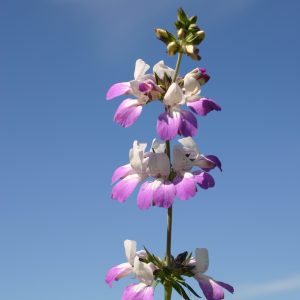
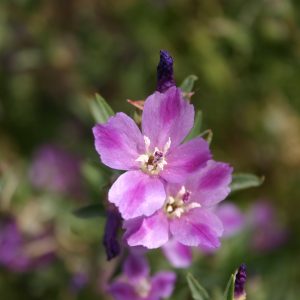
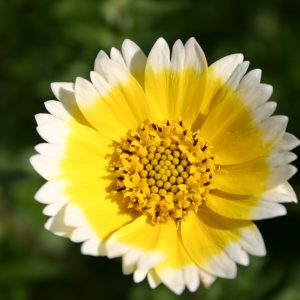
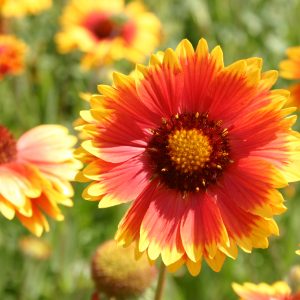
Ingredients: Baby Blue Eyes, Black-Eyed Susan, Camas – Common, Coreopsis – Plains Tall, Gilia – Globe, Heal-All, Phlox – Large Flowered, Lupine – Small Flowered Bi-Color, Lupine – Riverbank, Rose Checker Mallow, Sea Blush, Buttercup – Straitbeak, Hollyhock – Tall Wild, Tidy Tips, Buttercup – Western, Yarrow – Western, Godetia – Farewell to Spring, Poppy – California Perennial, Clarkia – Diamond, Clarkia – Pink Fairies, Clarkia – Winecup, Oregon Sunshine, Vetch – Big Deer, Primrose – Dense Spike
*Note: Ingredients may vary depending on seed availability.
Planting Tip:
Because the seeds in this mix are very small, it’s easy to accidentally sow them too densely in one spot and run out before covering the area. To help distribute the seed more evenly, consider mixing it with a carrier such as potting soil, sand, or vermiculite in a wheelbarrow before spreading. If you’re planting a smaller area, seeding a bit heavier is okay—a denser stand may help suppress weed growth in the first year.
**For larger quantities than listed for sale please contact us for availability and pricing.
The broadcast rate for seeding is 18 – 22.5 pounds per acre.
The seed drill rate for seeding in rows is 9 pounds per acre.
| Product Type | Flower Mix, Native Flower |
|---|---|
| Seeding Rate (lb./acre) | 9-13 Pounds per Acre |
| Seeds Per Pound | 250,001 – 500,000 Seeds per Pound |
| Origin | NW Native species |